New Species of 'Flying' Frogs Discovered in Indonesia with Unique Nesting Habits
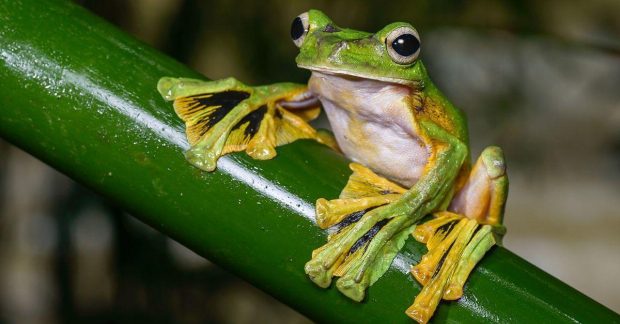
Scientists have identified Rhacophorus kurniatiae on Sulawesi, a bright green frog that uses a gelatinous matrix instead of moss to protect its eggs.
 💡Tech
Photo: UNIAN
Key points
- The new species Rhacophorus kurniatiae was found near Lake Danau Coca-Cola at 1,860m altitude.
- It is the first known Rhacophorus frog to use a gelatinous matrix for its nests.
- Identification was confirmed through DNA sequencing and acoustic analysis.
A team of international scientists has officially documented a new species of bright green amphibians inhabiting the tropical forests of Sulawesi, Indonesia. Named Rhacophorus kurniatiae, this species belongs to the group of Asian flying frogs, characterized by their ability to glide between trees using specialized webbed feet.
Discovery in the Mekongga Mountains
The frogs were identified during a series of expeditions conducted between 2009 and 2013 in the remote Mekongga Mountains. Researchers from the University of California, Davis, and the Bogor Museum of Zoology encountered a massive population of these creatures near a high-altitude lake known as Danau Coca-Cola, situated at 1,860 meters above sea level. Alan Hitch, a research associate at UC Davis, noted that the sheer number of frogs was extraordinary.
"We were hiking up the mountain when we came across a large pond swarming with green frogs; they were everywhere," the researcher stated, noting that such density is rarely observed in the wild.
Innovative Reproductive Strategy
The most striking feature of Rhacophorus kurniatiae is its unique method of reproduction, which sets it apart from its close relatives. While most Asian flying frogs build nests out of moss or foam to keep their eggs moist, this new species utilizes a gelatinous matrix. This jelly-like substance is deposited on plants overhanging water bodies, allowing tadpoles to develop safely before eventually dropping into the water below.
The scientific team confirmed the new species through a combination of DNA analysis, morphological study—including its distinct pointed snout—and the recording of its unique vocal signals. Alamsyah Elang Nusa Herlambang, the lead author of the study, emphasized that this is the first time a member of the Rhacophorus genus has been observed using such a gelatinous matrix as a reproductive strategy. This discovery not only enriches our understanding of Indonesian wildlife but also raises new questions about how amphibians adapt to the harsh conditions of high-altitude environments.
Source UNIAN — unian.ua/curiosities/rhacophorus-kurniatiae-v-indoneziji-znayshli-n… ↗
Read next
 🧠AI Analysis
Cascade Crisis in Metallurgy: Why the Iron and Steel Downturn Threatens Local Budgets and the Economy
Production cuts in Ukraine's metallurgy due to shelling, logistics issues, and energy deficits are triggering a chain reaction for state and local finances.
 🛡️Security
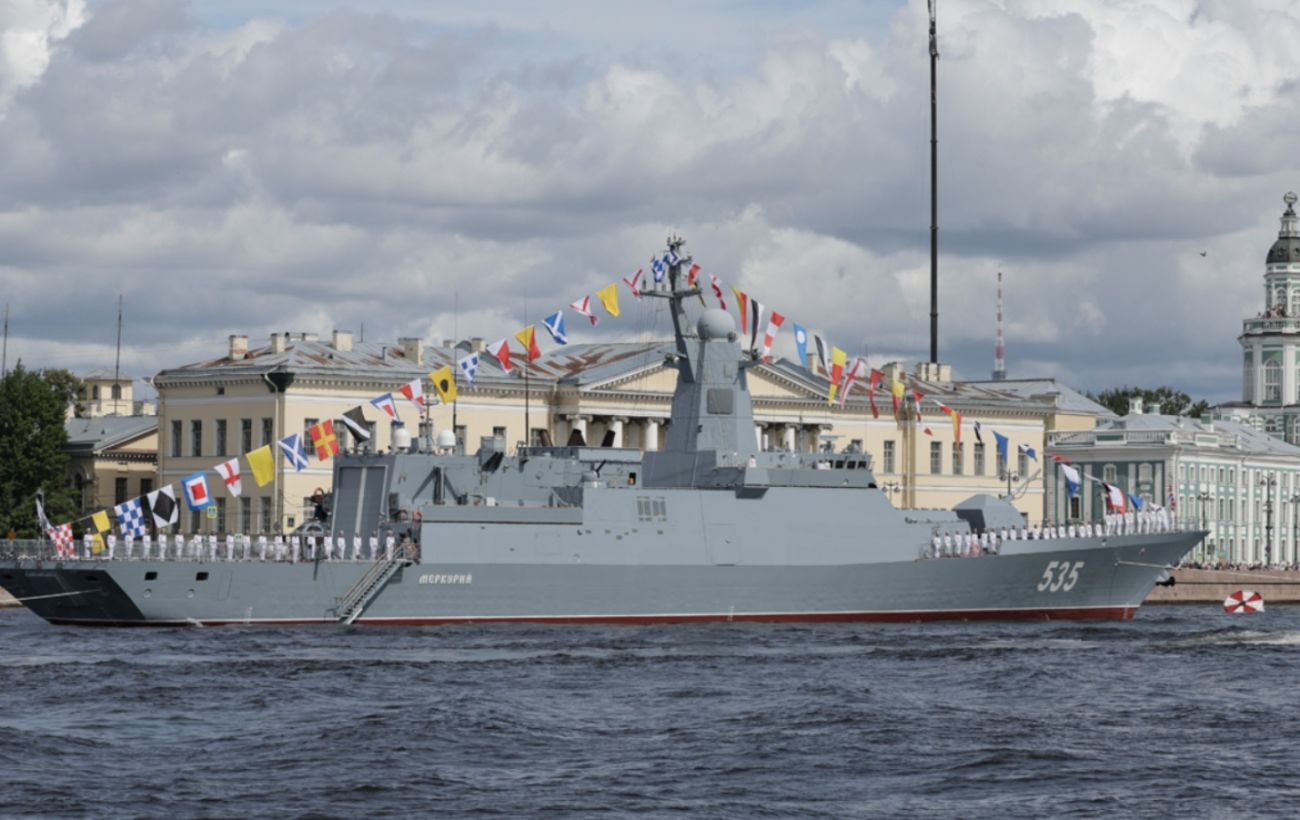
Ukrainian Defense Forces Destroy Russian Missile Corvette "Merkuriy" in the Mediterranean
Ukrainian military, in cooperation with the Security Service, conducted a special operation near the Libyan port of Benghazi, striking a Russian warship.
 🧠AI Analysis
Scandal Surrounding SAPO Head's Family: Allegations of Evasion and Institutional Concerns
Former Prosecutor General Ruslan Kravchenko stated that the wife of SAPO head Oleksandr Klymenko is trying to avoid corruption liability by filing a bribery entrapment cl…
 ⚽Sport
Spanish Tennis Star Carlos Alcaraz Sets Historic Prize Money Record
Spanish tennis player Carlos Alcaraz won the ATP Finals-2026 in Turin, claiming the largest prize money in men's tennis history for a single tournament.
 🧠AI Analysis
Tragedy in Kyiv Region: 14 Dead Following Massive Drone Strikes and Infrastructure Damage
Russian drone attacks on the Kyiv region resulted in 14 deaths, including a child, and damaged over twenty civilian and infrastructure objects.
 🎓Education
Geneva Talks Collapse: World Fails to Agree on Rules for 'Killer Robots'
UN conference in Geneva on autonomous weapons ended without binding legal commitments due to opposition from Russia and other nations.