Global Security at Risk: The Economist Analyzes Cooperation Between Authoritarian Regimes
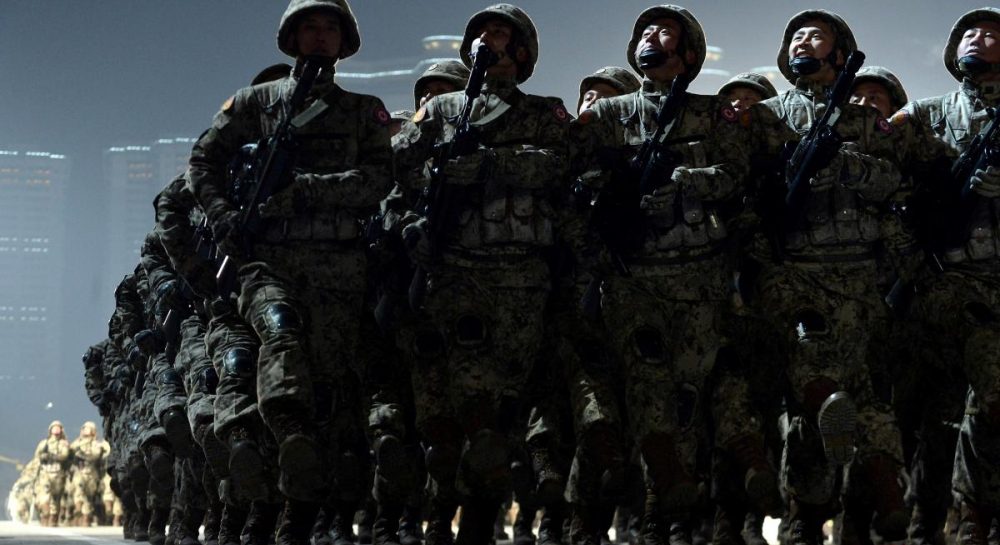
The Economist reports on the growing coordination between Russia, China, Iran, and North Korea, posing significant challenges to the global order.
 🇺🇦Ukraine
Photo: UNIAN
Key points
- Emergence of an informal alliance between Russia, China, Iran, and North Korea
- Over 600 documented security cooperation cases since 2019
- High level of interaction despite the lack of a formal military pact
International analysts are observing the formation of an informal yet increasingly coordinated alliance between Russia, China, Iran, and North Korea. According to The Economist, these nations are actively exchanging military technology, intelligence, and expertise, enabling them to more effectively circumvent Western sanctions.
A Real Threat or Situational Partnership?
While this alliance lacks an institutional structure like NATO, the scale of interaction is significant. The FDD think tank has documented over 600 instances of security cooperation between these countries since 2019. This process intensified following the 2022 Russian invasion of Ukraine, which pushed these regimes to seek new resources and partners.
- The lack of a unified command does not prevent these countries from acting against Western interests.
- Conflicting economic interests, particularly regarding oil prices, have not halted their convergence.
- An effective democratic response to this consolidation remains a subject of ongoing debate.
The situation is complicated by internal US politics, where new defense leadership is implementing restrictions on informal contacts, while President Donald Trump emphasizes the importance of personal relationships with the leaders of China and Russia as a diplomatic tool.
Source UNIAN — unian.ua/world/rosiya-knr-iran-ta-pivnichna-koreya-stvorili-neforma… ↗
Read next
 🩺Health
The Secret to Canned Sardine Benefits: Why You Shouldn't Discard the Bones
Experts explain that most of the calcium in canned sardines is found in the bones, which become soft during the canning process.
 💡Tech
Bundeswehr conducts first kamikaze drone exercises in Lithuania
The German Armed Forces have carried out their first tactical exercises using kamikaze drones at a training ground in Lithuania as part of the Freedom Shield maneuvers.
 🛡️Security
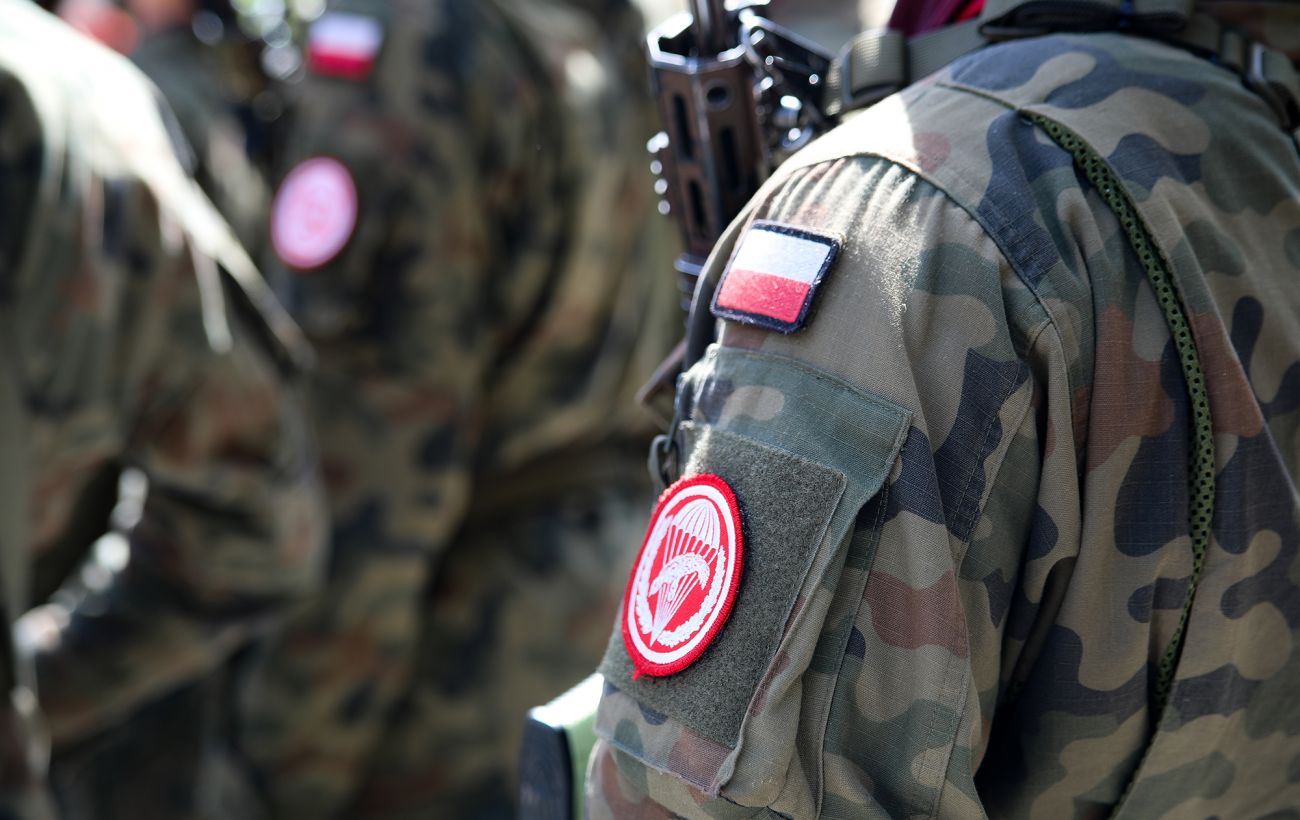
Investigation into Poland incident: three Russian missiles identified
Polish investigators confirmed that three Russian Kh-101 cruise missiles violated the country's airspace. No injuries were reported following the debris impact.
 🛡️Security
AFU eliminate Russian bridgehead in Kharkiv region: operation details
Ukrainian forces successfully counterattacked in the north of the Kharkiv region, liberating 15 settlements and neutralizing the threat of encirclement.
 ⚽Sport
Carlos Alcaraz wins his first ATP Finals title
Spanish tennis player Carlos Alcaraz defeated Alexander Zverev in the final in Turin, claiming his first-ever ATP Finals championship.
 🎭Culture & Sport
Voice of Ukraine contestant Alona Kompaniets impresses coaches with 'Plyve Kacha' performance
House of Culture director Alona Kompaniets captivated the judges of the 'Voice of Ukraine' vocal show with an a cappella performance of a folk song.