Military Justice in Ukraine: Why Experts Warn Against Reinstating Military Courts
The "Pryncyp" human rights center for military personnel has analyzed initiatives to develop the military justice system and explained the risks of creating separate military courts.
 💼Economy
Photo: Ukrainska Pravda
Key points
- The "Pryncyp" center analyzed military justice initiatives.
- Risks of command influence on military judges exist.
- The civilian judiciary already handles extensive military case law.
- Experts suggest judicial specialization instead of separate courts.
The Debate Surrounding Military Justice
The issue of restoring the military justice system in Ukraine has once again drawn attention as a Temporary Special Commission of the Verkhovna Rada works on the matter. Amidst the full-scale war, proposals to bring back military courts, prosecutor's offices, and investigators are increasingly voiced, as some parts of society believe civilian judges are incapable of fully understanding army specifics. However, the "Pryncyp" human rights center warns against hasty steps that could undermine the independence of the judiciary.
The main argument of proponents of such changes is that military cases should be reviewed by individuals with service experience. Nevertheless, lawyers emphasize that a military status does not automatically guarantee deep knowledge of laws, and combat experience can either make a judge more lenient or introduce bias. Furthermore, granting military ranks to judges would open avenues for direct or indirect interference by the Ministry of Defense or the General Staff.
Why Civilian Courts Are More Effective and Available Alternatives
Over years of full-scale aggression, Ukraine's judicial system has already built significant practice in handling military-related cases. When specialized knowledge is needed, judges can involve profile experts or order expert examinations according to the law. According to experts, instead of taking the risky path of establishing a separate vertical of military courts, it is much more sensible to introduce specialized judges for military administrative and criminal offenses.
"Legal proceedings in Ukraine are based on independence and impartiality, whereas military service is based on strict subordination," human rights advocates remind.
Any pressure from the command vertical on judicial bodies creates serious risks for the rights of Ukraine's defenders. Therefore, experts insist that the focus should remain on ensuring quality legal protection and compliance with the law for both subordinates and commanders alike.
Source Ukrainska Pravda — pravda.com.ua/news/2026/11/20/8063800/ ↗
Read next
 🏙️City
How to Return Softness to Terry Towels: A Simple Household Lifehack
The daily routine of Bar residents is often complicated by stiff terry towels due to tap water quality. A simple two-step method using regular salt and citric acid will h…
 👥Society
Singer Miley Cyrus Secretly Marries in California
American pop star Miley Cyrus has officially tied the knot with musician Max Morando during an intimate ceremony in Palm Springs.
 👥Society
The Art of Mending: Why Everyday Repair Becomes the Core Challenge for Communities
Current realities require Ukrainian communities to rethink their approaches to infrastructure restoration and daily labor.
 🎓Education
Ukrainian tennis players Elina Svitolina and Marta Kostyuk nominated for prestigious WTA season awards
Leading Ukrainian tennis players Elina Svitolina and Marta Kostyuk have received official nominations for the Women's Tennis Association annual awards following a success…
 🛡️Security
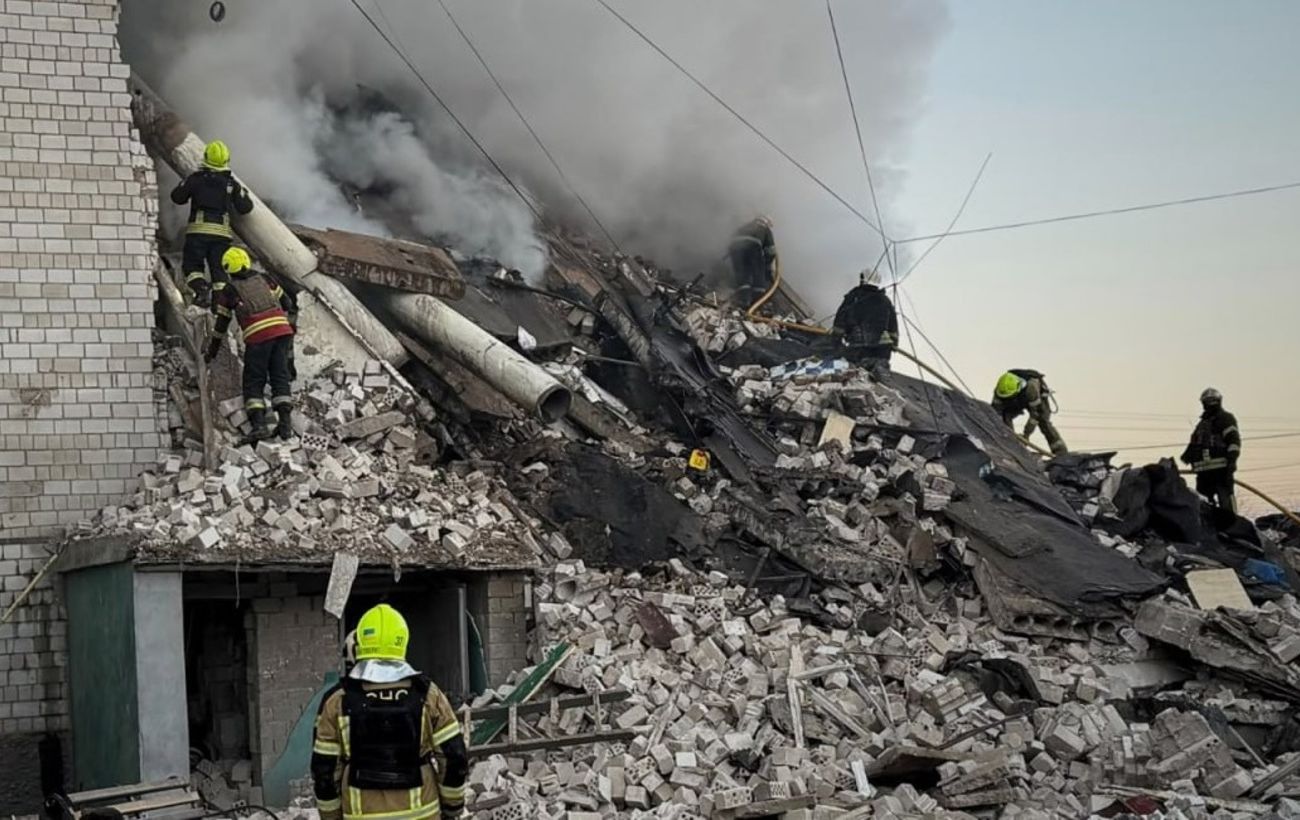
Strike on a five-story building in Kyiv region: 14 people missing
Following an enemy attack on the Vyshhorod district, a rescue operation is underway with nine residents evacuated, while 14 others remain out of contact.
 🎓Education
Regular Attacks on Energy Infrastructure: Situation in Neighboring Regions and Challenges for Communities
Russian forces carried out four drone strikes against energy facilities in the Zhytomyr region within 24 hours, attempting to cut off electricity and heat.